How I Started, Why I Stepped Away, and Why I’m Ready to Come Back.
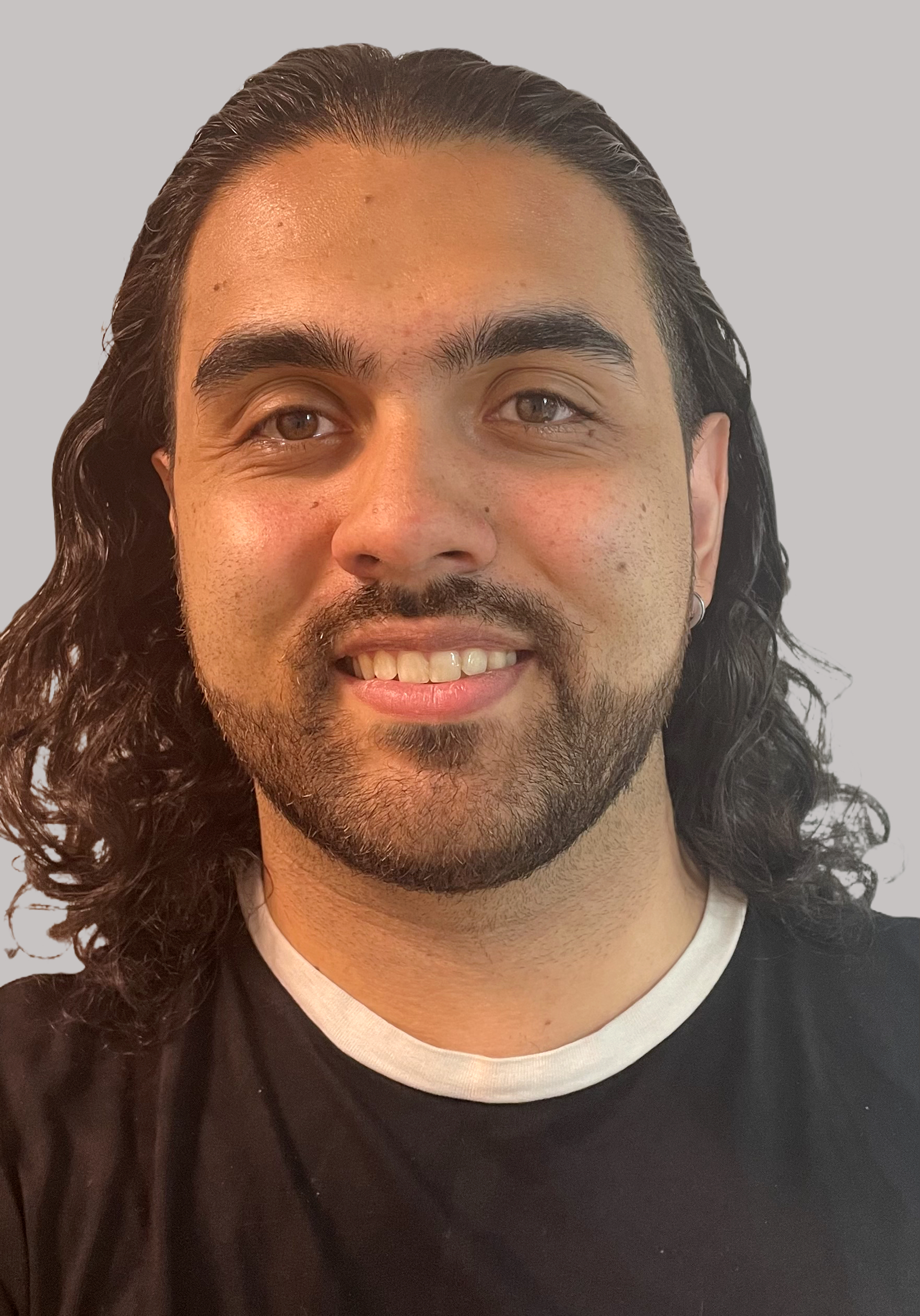
Most people don’t expect to hear that I started cello at fourteen. In the classical world, that’s late enough for people to write you off before you even begin. And plenty of people did. I was told I’d never catch up, never make it into a conservatory and never build a real career in classical music.
I didn’t accept that. I threw myself into the instrument. Within four years, I won the Greater Buffalo Youth Orchestra Concerto Competition and performed as a soloist with the Buffalo Philharmonic after receiving the Friends of the BPO Young Musicians Scholar
ship. A few years later, I was accepted into the Peabody Conservatory/Johns Hopkins University Graduate Cello Performance Program.
So much for being “too late.” The only thing late was everyone else’s imagination.
For a long time, I imagined I would follow the traditional classical path: auditions, orchestra life, chamber work, the usual route. But by 2017, in my third year of formal musical studies, I was beginning to feel something shift. I loved the music, but I was struggling with the culture around it—the perfectionism, the competitiveness, the unspoken rules about what "counts" and what doesn’t. At the same time, I had discovered artists like 2CELLOS, Apocalyptica, and Tina Guo, who were pushing the cello into completely new worlds. Something in me recognized myself in that direction during that period.
I knew I wanted to explore that path eventually, but I also wasn’t done with my training. So I made myself a very specific deal: finish the entire six-year journey(my bachelor’s and master’s degrees), build the strongest foundation I could, and then go all-in on the electric world.
During spring break of 2020, I got my first electric cello. One week later, the pandemic shut everything down. The plans, the performances and the final milestones of my master’s degree practically all disappeared overnight. I graduated into a world none of us were prepared for, and like many musicians, I had to face an introspective, sometimes painfully difficult stretch of time.
But that electric cello became the one place where things still felt possible. I began experimenting constantly—tone design, amps, pedals, effects, arrangements, new kinds of expression. Over time, it stopped being an experiment and became a second musical language. I collaborated with bands, learned how to shape sound from scratch, and built a creative identity that had room for every part of me, not just the “classically trained musician” version.
By April 2025, after five years of exploration layered on top of my six years of conservatory training, Strings Unbound finally took shape. It became the home for my cinematic electric cello sound—rock-influenced, expressive and bold. It’s still growing and remains the central project of my artistic life.
And now, as I find myself drawn back toward classical music, I’m returning with more than just the technical foundation I built in school. I’m bringing with me everything I learned from the electric world—the entire set of fundamentals I had to invent for myself. There was no blueprint for what I was doing. I figured it out through years of trial and error: dozens of tone-design experiments, guitar amps, FRFR systems, impulse responses, saturation chains, EQ architectures, all of it. I built a vocabulary for electric cello that didn’t exist when I started, and that experience shaped me as much as the classical repertoire ever did.
That’s why returning to classical music now feels different. I’m not coming back as the same musician who left. I’m coming back with a much stronger artistic identity—one built from tradition, innovation, discipline, experimentation, foundation and imagination.
So I’m stepping into a new phase: continuing to grow Strings Unbound while returning to more regular classical playing in a way that feels grounded, healthy, and inspired. Recitals, chamber programs, concerto appearances and the great orchestral repertoire—they’re all part of the future I want to build.
Electric and classical aren’t two separate paths anymore. They’re one story now, and I’m finally ready to live both sides of it fully.
— Alex Cousins


I absolutely love everything about this!! I love your beautiful and inspiring story! Thanks for sharing Alex and looking forward to hearing you soon! 🎵